
Every Monday morning, someone on your team sits down and starts pulling together the weekly numbers. They open six different tools, copy data into a spreadsheet, format it to look presentable, add some commentary, and email it round. The whole exercise takes two to three hours, and by the time it lands in everyone's inbox, the data is already a day old.
There is a better way. Automated reporting pulls data from your existing tools, compiles it into clear dashboards, and delivers insights to your team without anyone touching a spreadsheet. Here is how to make the switch.
Why Manual Reporting Is Holding You Back
Manual reporting has three fundamental problems:
- It wastes time - The hours spent compiling reports are hours not spent acting on the information in them. If you are entering data twice or copying between systems, you are burning time for zero value.
- It is error-prone - Copy-paste errors, formula mistakes, and outdated data are inevitable when humans compile reports manually. One wrong number can lead to a wrong decision.
- It is backwards-looking - By the time a manual report is compiled and distributed, the information is stale. You are making decisions based on what happened last week rather than what is happening now.
Automated dashboards solve all three problems. They update in real time, eliminate human error, and free your team to focus on analysis and action rather than data gathering.

What Automated Reporting Looks Like
Instead of a static spreadsheet emailed once a week, imagine this:
- A live dashboard that updates automatically throughout the day
- Key metrics visible at a glance, with trends highlighted
- Alerts when numbers fall outside expected ranges
- Weekly summary emails generated and sent automatically every Monday morning
- The ability to drill down into any metric for more detail
Your team can check the dashboard any time they want, on any device. The Monday morning report still arrives, but it compiles itself. And if something needs attention mid-week, you know about it immediately rather than discovering it five days later.
Common Reports to Automate
Almost any recurring report can be automated. Here are the most common ones businesses start with:
- Sales performance - Pipeline value, conversion rates, revenue against target, deals won and lost.
- Marketing metrics - Website traffic, lead generation, email open rates, social media engagement, campaign performance.
- Financial overview - Cash flow, outstanding invoices, expenses, profit margins. Accountants are increasingly helping clients set these up.
- Customer metrics - New customers, churn rate, satisfaction scores, support ticket volumes.
- Operational data - Project progress, team utilisation, delivery timelines, quality metrics.
Start With One Report
You do not need to automate everything at once. Pick the report that takes the most time to compile or the one your team relies on most heavily. Automate that first, prove the value, then expand to other reports.
How to Build Your First Automated Dashboard
Step 1: Identify Your Data Sources
List every tool that contains data for your report. Your CRM, accounting software, email marketing platform, Google Analytics, project management tool, and any other systems. Most modern tools have APIs or built-in integrations that allow data to flow between them automatically.
Step 2: Choose Your Dashboard Platform
There are many options, from simple tools like Google Data Studio to more powerful platforms. The right choice depends on your data complexity, budget, and technical comfort. Many report generation tools offer templates that get you started quickly.
Step 3: Define Your Key Metrics
Resist the temptation to include everything. A good dashboard shows the five to ten metrics that actually matter for decision-making. If you cannot explain why a metric is on the dashboard, take it off.
Step 4: Set Up Data Connections
Connect your data sources to your dashboard platform. Many connections are one-click integrations. More complex setups might need a simple automation tool to bridge the gap.
Step 5: Design for Clarity
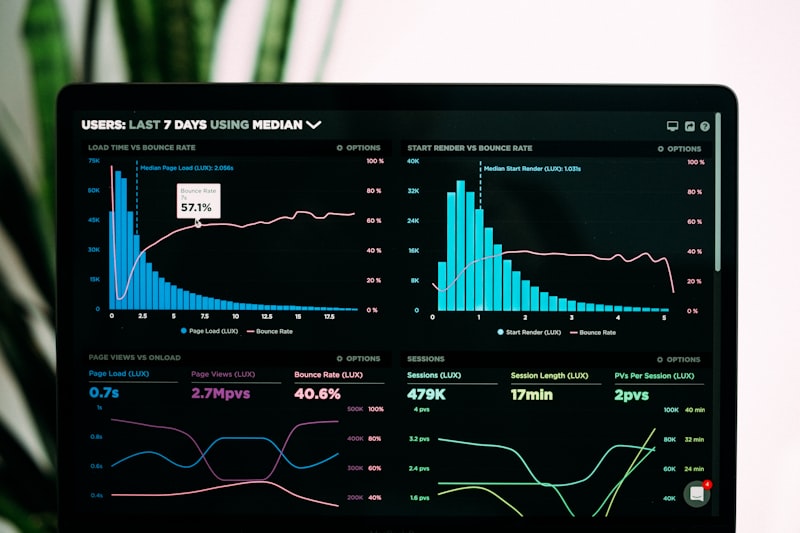
A good dashboard tells a story at a glance. Use clear labels, consistent colours, and logical grouping. Show trends rather than just current numbers. Highlight what needs attention.
Adding AI Intelligence to Your Reports
Automated dashboards are excellent, but AI takes things further. AI can analyse your data and surface insights that you might miss:
- Anomaly detection - AI spots unusual patterns, a sudden drop in website traffic, an unexpected spike in returns, a sales rep whose numbers have changed dramatically.
- Predictive insights - Based on current trends, AI can forecast where your numbers are heading and flag potential issues before they become problems.
- Natural language summaries - Instead of just charts, AI can generate written commentary explaining what the numbers mean and what to pay attention to.
- Recommended actions - AI can suggest specific actions based on what the data is showing, turning information into direction.
Making the Transition
Switching from manual to automated reporting does not have to be disruptive. Run both in parallel for a few weeks. Compare the automated output against your manual reports to build confidence. Once you trust the automated version, retire the manual one and enjoy your newly freed-up Monday mornings.
The businesses that make better decisions are the ones with better information. Automated, real-time reporting gives you that information without the overhead that made manual reporting unsustainable.
Ready to Ditch the Spreadsheets?
We will help you identify which reports to automate first and build dashboards that give your team real-time visibility into the numbers that matter.
Book a Free 15-Minute Call Take the Free AI Audit